Expert Water Damage Restoration Services: What You Can Expect and How We Are Here to Help
Water damage can disrupt lives and compromise property integrity. Professional restoration solutions are built to tackle these issues in a systematic manner. From initial assessments to effective water removal, each step is essential. Understanding the process can provide clarity and peace of mind. What specific measures are taken to guarantee thorough drying and prevent future issues? The information uncovered could prove quite revealing.
What to Anticipate During Water Damage Restoration
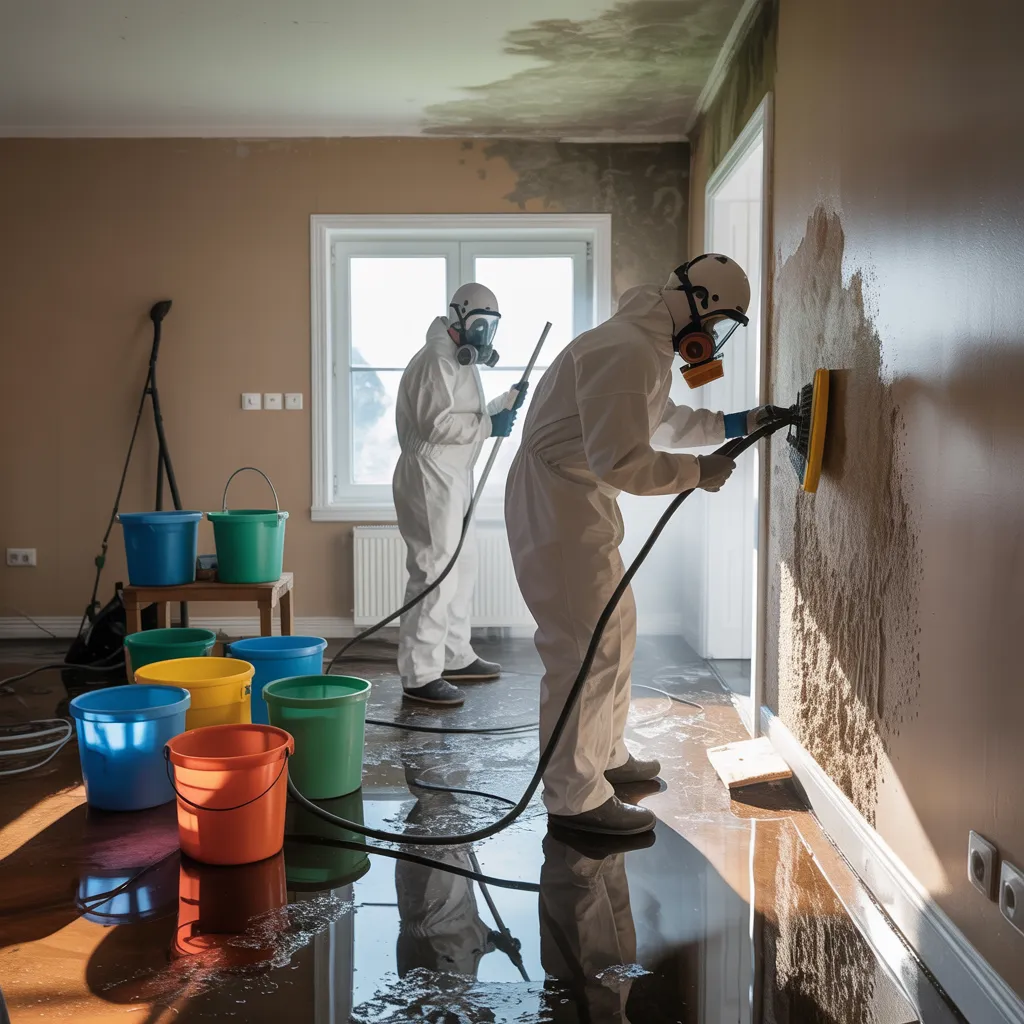
When dealing with water damage restoration, homeowners can anticipate a structured approach to addressing the issue. The process generally starts with the swift removal of existing standing water, utilizing pumps and vacuums to mitigate further damage. Subsequent to this, professional-grade equipment such as dehumidifiers and air movers is employed to fully dry the impacted areas, ensuring that moisture does not linger and lead to mold growth.
Following this, restoration specialists evaluate the overall structure of the structure, inspecting floors, walls, and ceilings for evidence of structural issues. Certified experts also prioritize decontaminating the compromised surfaces, utilizing targeted treatments to eliminate contaminants. Throughout this phase, residents are consistently notified about updates and recommended fixes. By implementing these procedures, the remediation process works additional article to restore the home to its prior condition, securing the health and comfort for those residing within.
Opening Assessment: How It Begins?
How can homeowners secure an effective response to water damage? The preliminary assessment is critical in the restoration process. Upon arrival, experts perform a thorough evaluation to establish the scope of the damage. They survey damaged areas, including walls, floors, and ceilings, to uncover hidden moisture and underlying structural problems. Employing professional instruments, such as moisture meters and infrared cameras, technicians can pinpoint water intrusion that may not be detectable to the naked eye.
In addition to evaluating the physical damage, the team examines the cause of the water intrusion, whether it is from a ruptured pipe, storm flooding, or various other factors. This knowledge aids in formulating a comprehensive recovery plan. Property owners will receive a thorough report summarizing the discoveries and suggested steps. This early inspection lays the basis for all following remediation activities, guaranteeing a focused and streamlined path to restoration.
How We Remove Water Efficiently
Restoring water-damaged properties requires advanced extraction techniques to efficiently eliminate excess water. After the extraction process, extensive drying methods confirm that all moisture is eliminated, stopping additional damage and mold development. These methods are essential for bringing properties back to their pre-loss condition in a timely manner.
Advanced Extraction Techniques
Successful water elimination depends on cutting-edge extraction methods that guarantee quick and comprehensive moisture removal. Professional water damage restoration services employ professional-grade machinery, such as high-powered vacuums and submersible pumps, built to eliminate pooled water with precision. These tools can quickly extract significant amounts of standing water, reducing the risk of structural damage and mold growth.
Furthermore, skilled specialists evaluate the affected areas to identify the most appropriate extraction method, ensuring that water trapped in carpets, padding, and walls is treated. Thermal imaging cameras may be employed to detect concealed moisture areas, facilitating a detailed extraction process. By utilizing these advanced techniques, restoration teams greatly reduce drying time, supporting a more efficient recovery from water-related damage.
Detailed Drying Procedures
Restoration teams utilize meticulous drying processes to verify that all moisture is eliminated from damaged regions. They utilize industrial-grade dehumidifiers and air movers to create optimal airflow, promoting rapid evaporation. This combination confirms that even concealed moisture, commonly found in walls and flooring, is treated. Technicians measure humidity levels regularly, modifying equipment as necessary to sustain efficiency. Additionally, specialized thermal imaging cameras may be used to identify areas demanding extra attention. The drying process generally adheres to a methodical approach, prioritizing the most severely affected zones first. By implementing these thorough drying protocols, restoration teams not only stop mold formation but also safeguard the structural stability of the property, securing a complete recovery from water damage.
Why Drying and Dehumidification Matter in Water Damage Restoration
Drying and dehumidification are essential components in the restoration of water-damaged structures, as they facilitate rapid moisture removal from damaged zones. This procedure is vital not only for preventing mold growth but also for preserving the structural soundness of properties. Early response can substantially limit prolonged deterioration and associated repair costs.
Importance of Rapid Drying
Quick drying and dehumidification serve a critical function in reducing the consequences of water damage. When water infiltrates a structure, it can quickly penetrate materials such as wood, drywall, and insulation, resulting in structural compromise and potential permanent damage. Thorough drying decreases the moisture content, stopping additional damage and maintaining the structural integrity. Moreover, prompt dehumidification decreases the chance of secondary issues, such as staining and odors, which can occur if materials remain wet too long. This process also enhances the effectiveness of subsequent restoration efforts, facilitating a more streamlined recovery process. Overall, timely intervention with drying and dehumidification is vital for restoring properties to their pre-damage condition and sustaining a secure, healthy atmosphere.
Avoiding Mold Growth
While water damage can lead to significant structural issues, it also generates favorable conditions for mold growth if not treated quickly. Mold thrives in damp conditions, and any leftover moisture resulting from water damage can encourage its development. Effective drying and dehumidification are critical in avoiding this dangerous result. Restoration professionals utilize industrial-grade dehumidifiers and air movers to remove excess dampness, ensuring that damaged sections are fully dried. This process not only suppresses mold proliferation but also minimizes health risks associated with mold exposure. Quick response, alongside suitable drying procedures, is essential to protect both the indoor air quality and the structural integrity of the building. In the end, mold prevention remains a fundamental aspect of comprehensive water damage restoration.
Preserving Structural Integrity
Proper drying and dehumidification serve a critical purpose in protecting the structural stability of a property impacted by water damage. When water infiltrates a building, it can compromise materials including wood, drywall, and insulation. Long-term moisture exposure causes warping, rotting, and ultimately structural failure. Professional restoration services utilize advanced drying equipment and techniques to rapidly remove excess moisture from affected areas. This approach not only addresses immediate damage but also eliminates long-term concerns including foundation instability. By regulating appropriate humidity levels, dehumidification ensures that materials preserve their strength and durability. Ultimately, timely and efficient drying is vital for protecting a property's structural framework and strengthening its durability against future water-related occurrences.
Home Restoration After Water Damage
Moreover, load-bearing elements may need reinforcement or replacement, relative to the extent of the impairment. Plumbing and electrical systems ought to be assessed to verify operational safety and reliability.
Following structural repairs, the attention turns to cosmetic improvements, including flooring updates and fresh paint. This step commonly demands meticulous attention to detail to complement the current aesthetic design. Finally, it is crucial to conduct a thorough inspection to ensure that all completed repairs satisfy safety requirements and bring the home back to its condition prior to damage. Effective home repairs are essential for upholding safety standards and property value alike.
Essential Strategies to Prevent Water Damage in the Future
To mitigate the likelihood of potential water damage, homeowners ought to adopt proactive strategies that address potential vulnerabilities in their homes. Consistently checking roofs and drainage channels is critical; ensuring they are clear of debris can prevent water pooling and infiltration. Residents should also monitor for leaks in plumbing systems, as prompt discovery can minimize substantial repair expenditures. Furthermore, preserving effective drainage surrounding the foundation, which includes slope grading and fitting downspouts, effectively channels water away from the property.
Utilizing sump pump systems in basement areas can further reduce the likelihood of flooding, particularly in regions susceptible to heavy rainfall. Installing water detection devices can alert homeowners to leaks before they escalate. Additionally, strengthening windows and doors with weather stripping can reduce water seepage during storms. By following these approaches, homeowners can significantly minimize the likelihood of future flooding issues and preserve the value of their property.
How to Choose the Best Restoration Service for Your Needs?
Following the implementation of protective steps to combat water damage, homeowners may find themselves needing restoration services due to unanticipated occurrences. Finding the most suitable company demands careful consideration of multiple important elements. First, examine the company's reputation by reviewing online reviews and testimonials. An experienced company often reflects trustworthiness and high standards.
Furthermore, check that the restoration service is licensed and insured, ensuring protection from potential liabilities. Assess their expertise in dealing with specific types of water damage, as experience can significantly impact results.
Furthermore, inquire about the selection of services provided, such as mold removal and structural restoration, which can be vital for complete restoration. Fast response times are also crucial; a service that operates 24/7 is recommended. In addition, request estimates and discuss pricing to maintain clarity and eliminate surprise charges. By following these guidelines, homeowners can arrive at a well-informed decision that meets their specific restoration needs.
Common Questions and Answers
How Long Does the Entire Restoration Process Usually Take?
The complete restoration process typically takes anywhere from a few days to several weeks, based on the extent of the damage, the type of materials affected, and how efficiently the restoration team operates.
Does My Insurance Policy Cover Water Damage Restoration Costs?
Water damage restoration insurance coverage can vary based on your specific policy. Generally, a standard homeowners' insurance policy covers sudden and accidental damage, however, damage resulting from neglect or flooding may not be covered. Reviewing your individual policy details is essential for a clear understanding.
Am I Able to Stay in My House During the Restoration Process?
While restoration is underway, staying in the home may be possible, based on the severity of the damage and any safety issues. Professionals will assess the situation and advise homeowners on the best course of action.
What Types of Water Damage Are Covered by Insurance?
Coverage commonly protects against water damage from abrupt events like burst pipes, roof leaks, or appliance failures. However, gradual damage or external flood events typically demands additional flood coverage for proper coverage. It is important to review the details of your policy.
How Can I Identify Hidden Water Damage in My Home?
To detect concealed water damage, one should look for discolored patches on walls, flaking paint, damp or musty smells, and wetness in uncommon spots. Checking under sinks and behind appliances can also reveal underlying water-related concerns.